Bamboo, Cotton or Microfibre: Choosing a Towel That Survives Your Bathroom, Not the Marketing

Photo: DP Singh Bhullar, CC BY-SA 4.0, via Wikimedia Commons
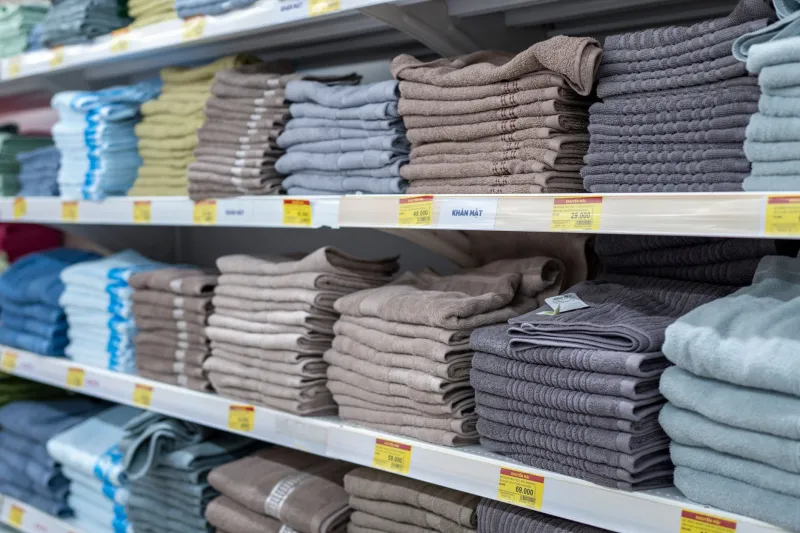
Walk down the towel aisle and you'd think the fabric was the main event. Cotton with a story about long fibres and Aegean sunshine. Bamboo with a story about softness and something vaguely antibacterial. Microfibre with a story about technology.
All three will dry you. The difference shows up on day forty, when one towel is soft and fresh, one is pilling at the edges and one still smells faintly of the inside of a sports bag. Which one you get depends far less on the fibre than on how well your bathroom dries things.
The point that matters more than any fabric
A towel that doesn't dry fully between uses will smell, whatever it's made of. That damp-cloth whiff is bacteria feeding on skin cells and body oils trapped in wet loops, and no label claim prevents it.
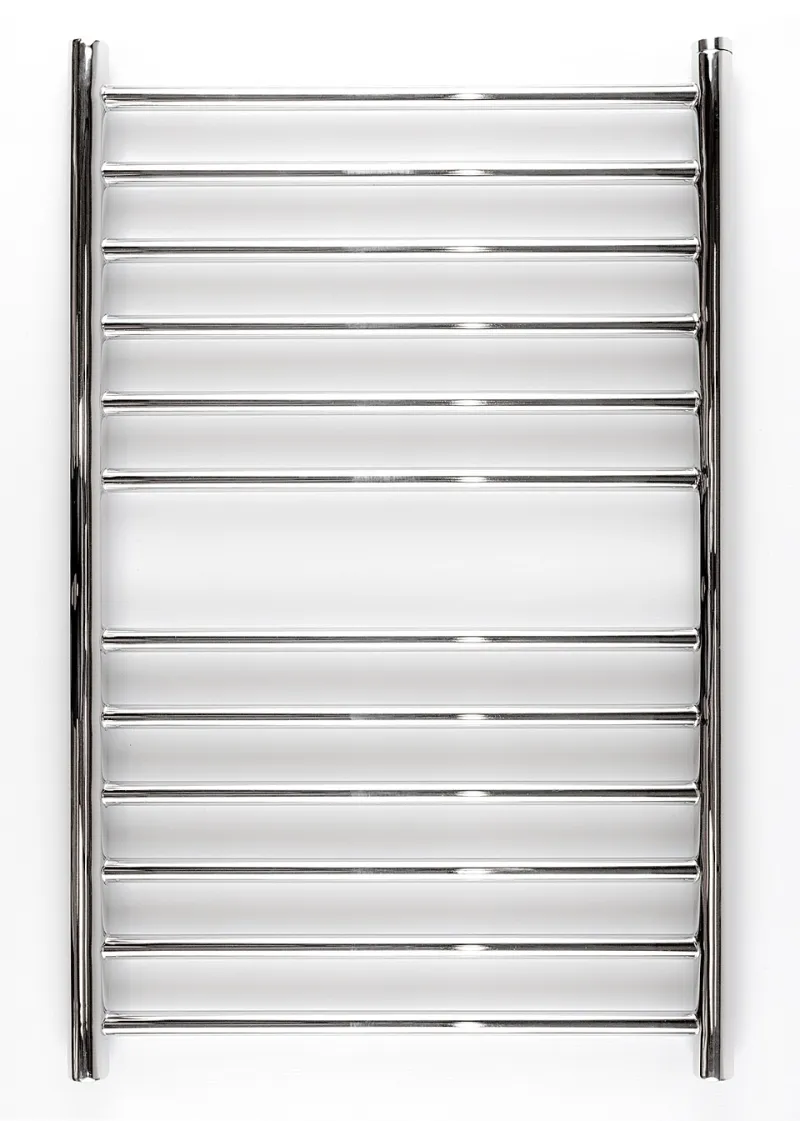
So before comparing fabrics, be honest about your bathroom. Does it have a window you actually open? Does the extractor fan run for twenty minutes after a shower or four? Is there a heated rail that's switched on in November? Is the room single-glazed and north-facing at the back of a Victorian terrace?
Those answers narrow the choice more than any review will.
Cotton: the default for good reason
Terry cotton is what most British households mean by a towel, and it's still the safest buy.
Where it wins: excellent absorbency, a texture that scrubs rather than smears, and real durability. Good long-staple cotton takes 40°C washes, shrugs off the occasional hotter cycle, tolerates line drying and tumble drying, and keeps its structure for years. It's also the easiest fibre to buy well at a sensible price, whether you're in Dunelm or John Lewis.
Where it struggles: thick cotton is slow to dry. A heavyweight 700gsm towel in a cold, unventilated bathroom is a sponge that lives on your rail. Budget cotton with short fibres pills, goes flat and thins out within eighteen months.
The buying tip that beats grammage: a mid-weight 500–600gsm towel in decent cotton will outperform a 700gsm cheap one on absorbency, drying speed and lifespan. Weight is easy to print on a label; fibre quality isn't.
Bamboo: lovely in the hand, fussy in the wash
Bamboo towels are usually bamboo viscose — the plant is processed into a fibre rather than woven as is. That's fine, but it means some of the greener claims deserve a raised eyebrow.
Where it wins: the hand-feel is genuinely gorgeous. Silky, dense, wonderfully soft against skin, and highly absorbent. For anyone with sensitive skin or a dislike of terry loop texture, it's a real pleasure to use.
Where it struggles: bamboo is weaker when wet, so it doesn't like being yanked or wrung hard. It pills and can shrink more readily than cotton. It dislikes fabric softener, high heat and long tumble cycles, all of which break down the fibre. And it isn't a fast dryer — in a cool bathroom it can hang damp for a long time.
Treat it gently, wash it cooler, dry it on a rail with airflow, and it's lovely. Treat it like a workhorse bath towel and it'll go tatty while your cotton is still going strong.
Microfibre: the one that just gets dry
Microfibre is polyester and polyamide, usually with a brushed or suede-like finish. It's the least luxurious of the three and, in the right room, the most useful.
Where it wins: drying speed. Microfibre sheds water fast and is often dry in a fraction of the time cotton needs, which makes it the sensible choice for a small flat with no window, a bathroom with a useless extractor, a gym bag, a caravan, or a spare room where towels sit damp between guests. It's light, cheap and packs small.
Where it struggles: it doesn't feel like a proper bath towel. It smooths water across your skin instead of buffing it, which some people love and others find oddly unsatisfying. It's synthetic, so it sheds microplastics in the wash and won't biodegrade. It also grabs onto fabric softener and body oils, which coats the fibres and quietly kills absorbency — wash it hot-ish, without softener, and don't overload the drum.
Match the fabric to the room
- Cold bathroom, no window, weak extractor: microfibre for daily use, or a thin mid-weight cotton. Avoid heavyweight cotton and bamboo.
- Warm bathroom with a heated rail that's on from October: mid-weight cotton, and bamboo is a fair choice if you like the feel.
- Family who wash at 60°C and tumble dry: cotton. It's the only one of the three that takes that treatment cheerfully for years.
- Bathroom that's really a wet room with the window always open: cotton, and don't buy anything heavier than 600gsm.
- Spare room or Airbnb: microfibre, on cost and turnaround.
The washing habits test
Think about your last five laundry loads. If fabric softener goes in as standard, cross bamboo and microfibre off your list — both suffer, and cotton only tolerates it. If you wash towels with the rest of the whites on a 40°C quick cycle, buy mid-weight cotton and stop overloading the drum. If you line dry most of the year, cotton will reward you; if it's a tumble dryer every time, cotton's durability matters more than drying speed, because you're not relying on air.
Cost per year, not cost per towel
A £6 microfibre towel replaced every two years costs less than a £25 cotton towel replaced every eight — but a £12 cotton towel that lasts five years beats both. Roughly: cotton holds value, bamboo feels expensive and ages faster, microfibre is cheap to buy and cheap to replace.
The short answer
Cotton for the towels you use every day, in a weight matched to how well your bathroom dries. Microfibre for the rooms where nothing ever gets dry, and for guests. Bamboo if you love the feel and are willing to launder it gently.
Fabric is the start of the decision, not the end of it. Your bathroom has the final say.