The 700gsm Trap: Why a Heavier Towel Can Feel All Wrong in a Small Bathroom

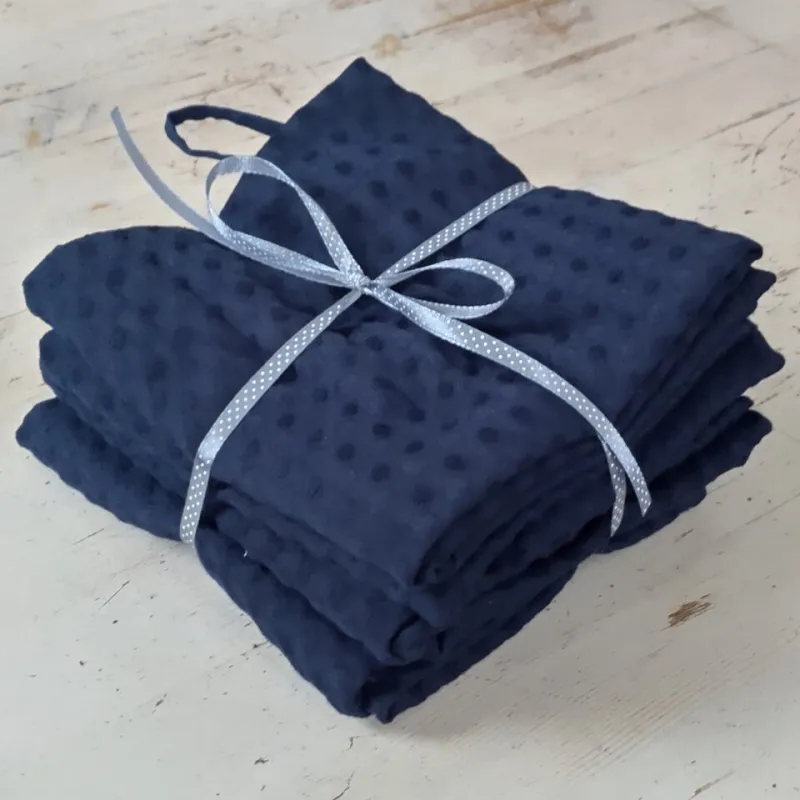
Photo: folded mid-weight cotton bath towels on a small bathroom shelf UK home, via i.pinimg.com
Walk into any towel aisle and you will see the same quiet sales pitch: higher GSM means a better towel. More grams, more luxury, more hotel. It sounds logical until you get the thing home, hang it in a small British bathroom with a fan that wheezes like a pensioner, and find it still damp the next morning. A heavy towel is not automatically a good towel. In the wrong room, it is just a wet blanket with a label.
What GSM actually measures
GSM stands for grams per square metre. It is a weight, not a badge of quality. A 700gsm towel has more fabric packed into every square metre than a 450gsm one, but that tells you nothing about whether the cotton is long-staple, how the towel is woven, or how quickly it will give up its water. You can make a dense, heavy towel from mediocre cotton and a lighter, airier towel from good cotton. The number on the swing tag is a starting point, not a final answer.
Weight does affect how a towel feels in the shop. Heavier towels tend to have more loft, so they feel plush and substantial. But once they are wet, that extra bulk becomes extra water. And in a bathroom, water has to go somewhere.
Why heavy towels struggle in small bathrooms
A lot of UK bathrooms are compact, often windowless, and rely on an extractor fan that is more ornamental than effective. Towels get hung on the back of the door, over the shower screen, or on a heated rail that is only switched on for an hour. In that environment, a 700gsm bath towel can take ages to dry. It sits there holding moisture, getting colder and heavier, and eventually developing that sour, forgotten-laundry smell.
There is a washing side to it as well. A heavy bath sheet can weigh well over a kilo dry, and much more wet. Cram it into a seven-kilo washing machine with the rest of the family's towels and you get poor rinsing, detergent residue and creases. Then you need a longer cycle and a longer dry. The towel that felt luxurious in the shop starts to feel like a chore.
The feel factor: loft is not the same as softness
High-GSM towels often feel magnificent on the shelf because the pile is deep and dense. After a few washes, though, that density can work against you. If the towel is slow to dry, the pile can flatten and stiffen. In hard-water areas, minerals settle into all that thickness and leave it feeling rough. A mid-weight towel with a decent open weave often feels softer after a month because it dries properly and does not hold onto residue.
There is also the size problem. Heavy towels are often sold as oversized bath sheets. In a small bathroom, a big towel needs floor space, rail space and drying space. It can be too much towel for the room, even if it is beautifully made.
A practical GSM rule for real bathrooms
Think about your bathroom before you think about the number.
Small bathroom, no window, weak fan, towels dried indoors: aim for 400-550gsm. A 500gsm bath towel is the sensible middle ground. It will absorb well, dry faster and cope with frequent washing. If you have a family and the towel rail is always full, lean lighter rather than heavier.
Medium bathroom with a window or a decent extractor fan: 500-600gsm is a comfortable zone. You get a bit more plushness without asking the room to perform miracles.
Large, well-ventilated bathroom with proper drying space: you can go to 600-700gsm if you like a weightier towel. Even then, check that your washing machine and drying setup can handle it. A heavy towel is only practical if it can actually dry.
Gym, guest and kids' towels: 400-500gsm. Quick drying matters more than depth of pile. These towels get washed often and need to bounce back.
If you wash towels every couple of days, a lower GSM will usually last better. If you have a tumble dryer and don't mind the energy, a heavier towel is less of a problem. If you line dry or air dry, be honest about how long that towel will hang around.
What to check beyond the number
Look at the cotton description, the ply and the weave. Two-ply towels generally wear better than loose single-ply. Zero-twist towels dry quickly but shed more. A simple terry towel with a sensible weight is often the best all-rounder. Check the care label, and check your washing machine's drum size. If you are buying a set, buy one first and live with it for a week.
The best towel is not the heaviest one on the shelf. It is the one that is dry by your next shower, feels decent against your skin and does not make you dread wash day. In a small UK bathroom, that is usually a mid-weight towel, not a 700gsm showpiece.