The Chalky Truth: Keeping UK Towels Soft When Your Water Is Hard
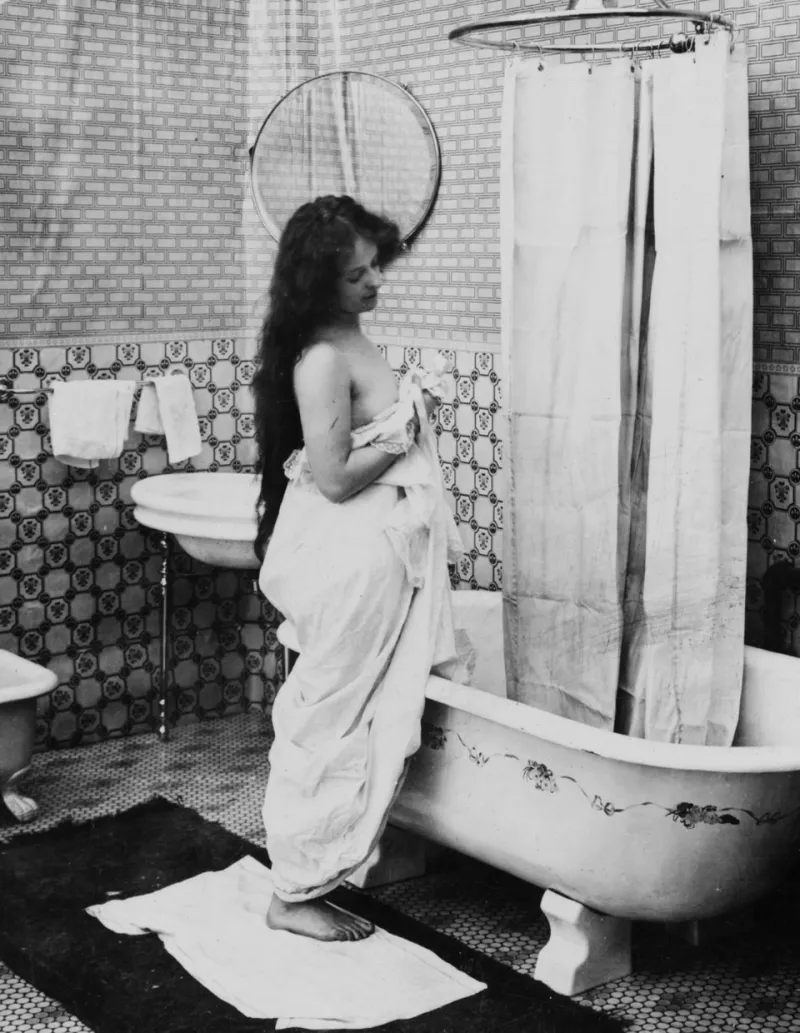
Photo: H.C. White Co Publishers, North Bennington, Vt., U.S.A., Public domain, via Wikimedia Commons
Hard water is one of those British problems that shows up in the kettle before it shows up in the towel. You notice the furring, the dull glasses, the soap that refuses to lather. Then one day your bath towels feel like they have been starched by someone with a grudge.
If you live in a hard-water area, limescale is not just a bathroom cleaning annoyance. It is a laundry issue. The minerals in the water react with detergent and leave deposits on the fibres. Over time that makes towels stiffer, scratchier and less absorbent. They are not necessarily dirty. They are coated.
What hard water is doing to the towel
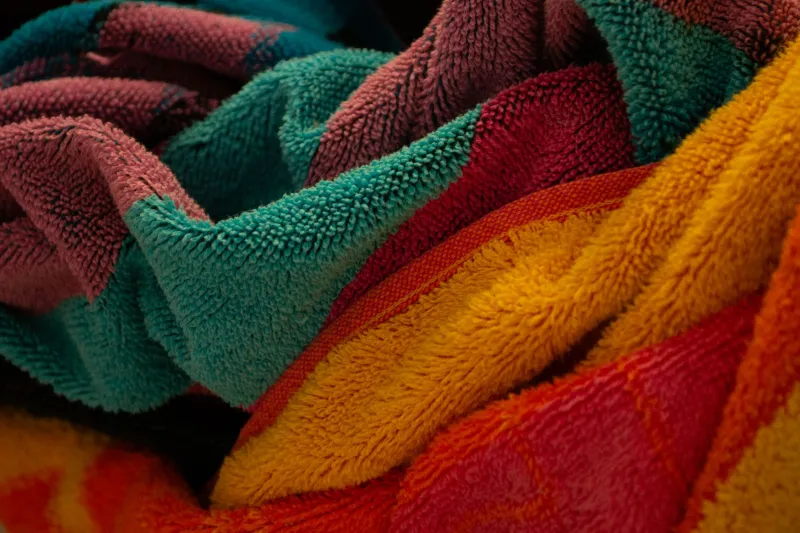
Hard water contains dissolved calcium and magnesium. When you wash, those minerals can combine with detergent and leave a residue on the cotton loops. That residue builds up. The towel feels crunchy when dry and slippery when wet, and it can start to smell because soil and detergent get trapped in the coating.
The frustrating part is that the usual response, adding more detergent, can make things worse. More detergent in hard water can mean more residue, not more cleaning. The towel gets washed, rinsed and dried, and still feels like a crisp.
Check your water before you blame the towel
Water hardness varies wildly across the UK. Much of London, the South East and East Anglia is hard to very hard. Parts of the Midlands and the North can be hard too. Scotland, Wales and the South West generally have softer water, though there are local exceptions. Your water supplier publishes hardness information by postcode, and it is worth a look if you are replacing towels or wrestling with stiffness.
A quick kitchen test: if your kettle furs up quickly and soap takes a while to lather, you are probably in a hard-water area. That is useful context before you spend money on a new towel or a gadget.
Low-effort fixes that genuinely help
Start with the wash. Use a detergent dose that matches your water hardness and load size, and do not overfill the drum. In hard-water areas, a dedicated laundry water softener or a measured spoon of soda crystals in the wash can help stop minerals interfering with the detergent. Follow the product instructions and keep it away from anything it should not meet.
A little white vinegar in the rinse compartment, perhaps once a month, can help shift residue, but do not turn it into a daily potion. Never mix it with chlorine bleach. Skip fabric softener, which adds another film to the problem. Clean the washing machine on a maintenance cycle now and then, and leave the door open between washes.
Drying matters too. Shake towels hard before hanging them. A short tumble on low heat can soften the fibres, but do not over-dry. Line drying in hard water can leave towels feeling crisp, so a low tumble or a good indoor airing may suit better. Keep the bathroom ventilated so towels are not sitting damp for hours.
What to look for when buying replacements
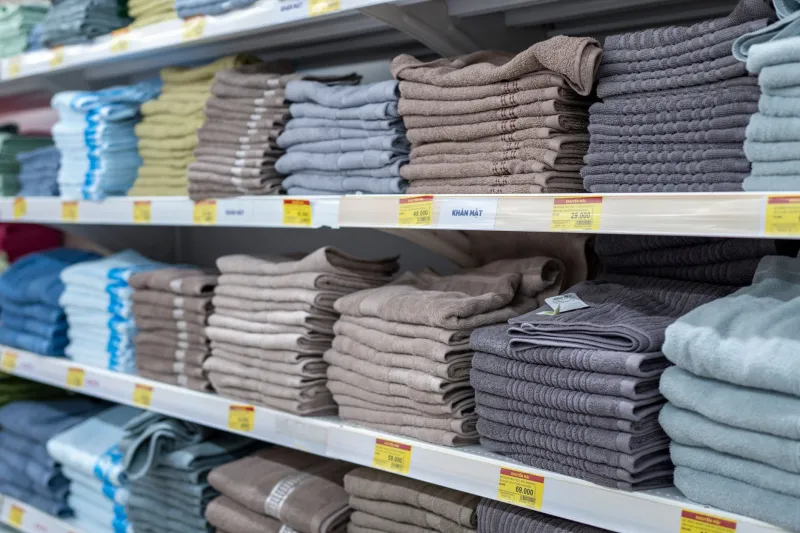
If your towels are old, thin and permanently crunchy, no laundry trick will bring them back. Look for well-made cotton towels with a sensible weight. Very heavy, deep-pile towels feel luxurious but take longer to dry and can be less practical in a damp UK bathroom. A mid-weight towel with a firm, dense loop is often the better everyday buy.
Check the care label and the fibre content. Long-staple cotton and ring-spun cotton are generally more durable than bargain-bin cotton, though labels do not always tell the full story. White towels show limescale dullness more clearly than dark ones, but dark towels can show detergent residue. There is no magic colour. Buy for the bathroom you have, not the spa you see online.
Are water softeners and filters worth it?
A proper ion-exchange water softener is the most effective fix if your water is very hard. It addresses the whole house, not just the towels, but it costs money to buy, install and run, and it needs salt. It is not a casual purchase. If you are replacing towels every year and your kettle looks like a geology exhibit, it may be worth pricing up.
Magnetic or electronic descalers are widely sold but the evidence for them is not convincing. Jug filters are useful for drinking water but impractical for laundry. Shower filters do not solve the washing machine. Be sceptical of anything that promises spa-soft towels for a tenner.
The realistic plan
You do not need perfect water to have decent towels. Dose detergent properly, add a laundry softener or soda crystals if your water is hard, skip fabric softener, dry towels quickly and replace them when the fibres are worn out. If your water is severely hard and you are fed up with crunchy towels, get a quote for a real softener and compare it with the cost of replacing your linen every couple of years.
Hard water is not a moral failing. It is chemistry. But with a few changes to the wash and a more realistic eye when you buy, your towels can stay soft enough to use without feeling like you are drying yourself with a crisp.