No Hot Water, No Excuses: A Towel Plan for the Week the Boiler Dies
Photo: Edgar Degas, Public domain, via Wikimedia Commons
Boiler failures have a knack of landing in the worst week of the year. One morning the shower runs cold, the radiators stay lukewarm, and you find yourself in a chilly bathroom wondering whether the towel on the back of the door is still something you want against your face.
The temptation is to do something dramatic — buy a tower of cheap towels, boil pans on the hob, or shove the lot through a 60°C cycle and hope the immersion heater copes. None of that is the sensible move. What you actually need is a plan: which textiles matter, how to get them dry in a cold flat, and where the line sits between a towel that is still doing a job and one that has had it.
Not all bathroom linen carries the same risk
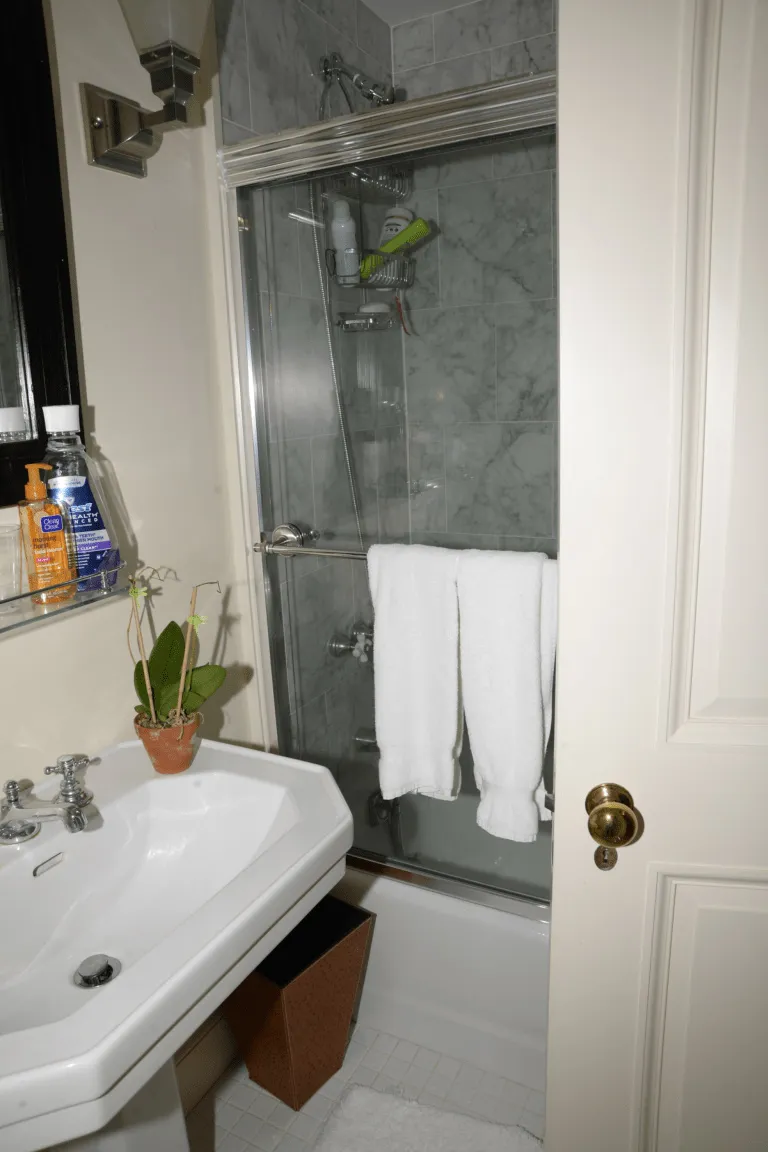
Rank your towels by contact, not by size. The bath mat wins the worst-job award every time: bare feet, floor splashes, toothpaste drips and a rubber backing that traps moisture underneath it. Hand towels come second, because everyone touches them a dozen times a day in the smallest, steamiest room in the house. Flannels and face cloths sit close behind. The bath towel is genuinely last, because it mostly meets clean skin after a wash — and if showers are being rationed while the boiler is out, it is barely being used at all.
That order should drive everything else. Hand towels and the mat get the washing machine and the best drying spot. Bath towels get rotated and aired. Tea towels belong to the kitchen and are a separate argument entirely.
Cold washing is not the fudge you think it is
Detergent chemistry, agitation and drying do most of the heavy lifting. A 30°C or genuinely cold cycle with a full dose of biological powder, a longer programme and a machine that is not overloaded will deal with everyday soiling perfectly well. Overloading is the classic error in a cold wash — cram the drum and nothing gets the movement it needs.
A laundry sanitizer is a reasonable addition if someone in the house has been ill, but it is not compulsory. Skip fabric conditioner entirely; it coats the pile and kills absorbency, which is the one thing you cannot afford when towels are being stretched between washes.
There is one condition attached. A cold wash only works if the towel then dries properly. A cold-washed towel that dries fast is far better than a hot-washed one that sits damp in a pile for two days.
Drying is the whole job
Spin everything at the highest speed the fabric will take — a 1400rpm spin leaves a cotton bath towel feeling almost dry before it hits the airer. Then shake it hard, twice, which opens the pile and stops it drying flat and stiff.
Hang it where the air actually moves: the warmest room with a window cracked or a fan running, not the sealed, cold bathroom it just came out of. A dehumidifier is the single most reliable tool in this situation — shut it in a small room with the airer for two or three hours and the towels come out genuinely dry rather than merely less wet. If the heating is still running, a radiator is fine for an hour or two, but do not leave towels draped over it permanently, and never near a boiler flue.
For hand towels and flannels there is an old trick worth borrowing: lay the wet towel flat on a dry bath towel, roll the pair up tightly, and stand on the roll. The dry towel pulls a surprising amount of water out before anything goes near an airer.
Build a rotation, not a pile
Two dry towels in use beat five damp ones in a heap. Keep one hand towel on the rail and one airing, and swap them daily. Same for bath towels. Check the seams and the centre fold when you hang them — that is where damp lingers and where the smell starts.
If the fan is off and the window is shut, leave the bathroom door open after use. Sounds trivial. Makes a real difference over a week.
Where the retirement line sits
Some towels will not survive the outage, and pretending otherwise just moves the problem into your cupboard. Retire a towel when it smells of damp even after a wash and a full dry, when the pile has flattened and water sits on the surface instead of soaking in, or when mildew speckles stay put after two attempts. At that point it becomes a floor cloth for the repair, a dog towel, or a rag — and you stop wasting washing powder on it.
In the meantime, be practical about the human side. Strip washes with a kettle and a flannel are perfectly respectable for a few days. A leisure centre day pass buys you a hot shower for the price of a coffee. A launderette service wash every eight to ten days will reset the hand towels and the mat properly, and it costs less than you would think.
When the hot water comes back
Do one proper hot wash at 60°C for the mat, the hand towels and anything that has been lingering, run a machine clean, and give the airer a wipe. Then go back to normal. The outage does not need to leave a permanent mark on your linen cupboard — it just needs a bit of order while it lasts.