Dry It Right or Ruin It: Why the Drying Stage Decides How Your Towels Feel
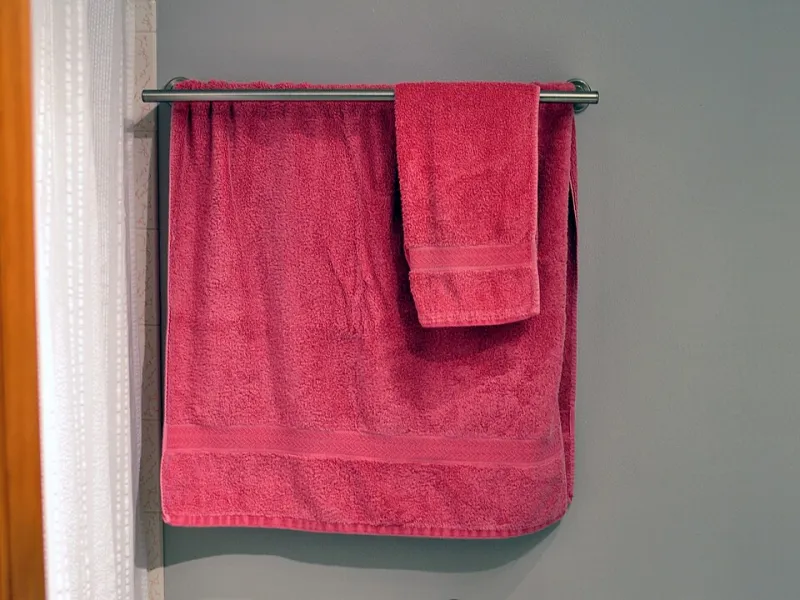
Photo: Jessica F., CC BY 2.5, via Wikimedia Commons
There's a well-worn ritual in British towel care. You read the label, you agonise over 30 or 40 degrees, you buy the non-bio, you skip the fabric softener because someone told you it coats the fibres. All of that is sensible. And then you hang the towel over the banister for two days, fold it into a cupboard while it's still faintly cool and damp in the middle, and wonder why it smells like a wet dog by Thursday.
The wash matters. But the drying is what actually decides whether a towel feels fluffy, feels like cardboard, or develops that unmistakable sour tang. It's the half of the job most of us do on autopilot.
What drying actually does to a towel
A towel is a dense little forest of cotton loops. While it's wet, those loops lie flat and clumped together. As water leaves, the fibres are pulled tight and the loops can set in whatever position they dried in. Hang a towel scrunched and bunched and you're baking in creases and flat patches. Hang it spread out with air moving through it and the loops stay open and upright, which is where the soft, thirsty feel comes from.
There's a second thing happening too. As water evaporates, whatever was dissolved in it — calcium, magnesium, the minerals that make hard water hard — gets left behind in the pile. Dry a towel slowly and those deposits settle in; dry it briskly and they matter far less. That's why the same towel can feel gorgeous in one house and scratchy in another without anyone changing their detergent.
And the third thing is time. A towel that takes 30-plus hours to dry in a cool, closed room is a towel that has spent a day and a half growing bacteria. That smell isn't your washing machine failing. It's the drying.
The airer: cheapest, slowest, and the one that bites back
A decent clothes airer is the default in most UK homes, and rightly so — it costs nothing to run and it's gentle on fabric. But it's only cheap if you use it properly.
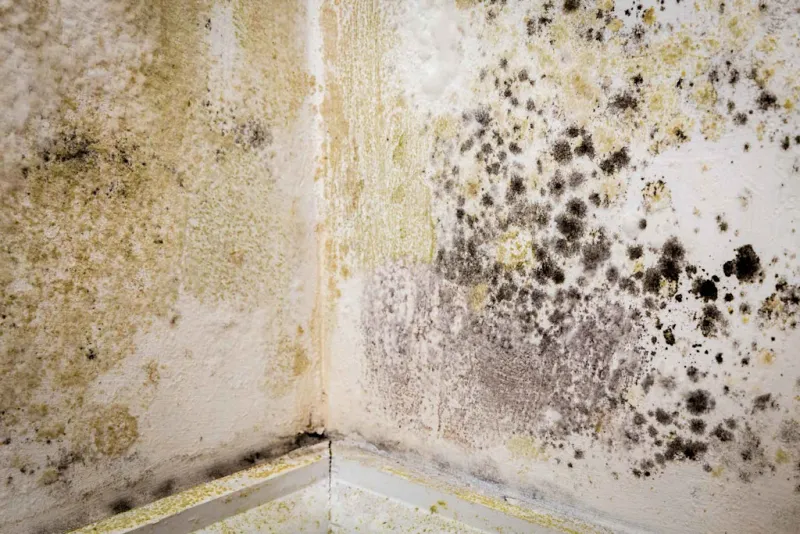
A single wash load releases roughly two litres of water into the air. In a small bathroom with the door shut and the window closed, that water has to go somewhere, and it goes into your walls, your grout and your towels. Dry towels in a damp room and they never really get dry — they just reach a stalemate with the air around them.
So: crack a window, run the extractor, or put the airer in the smallest room you've got with a dehumidifier ticking over next to it. A dehumidifier costs roughly what a tumble cycle does to run, but it doesn't cook the fibres, and it solves the damp problem at the same time rather than adding to it.
Two other things make a real difference. Shake each towel hard before you hang it — a proper snap, not a polite flap. It separates the loops and stops them drying flat. And hang bath towels full-width over the bars rather than folded in four, so air can move through both sides. Turn them once, a couple of hours in, and you'll knock hours off the total.
The tumble dryer: fluffy, fast, easy to overdo
Nothing beats a tumble dryer for that just-bought softness. Tumbling keeps the pile moving while it dries, which stops the loops setting flat — this is exactly why tumble-dried towels feel different to line-dried ones.
But the machine that gives you softness is also the one most likely to ruin a towel over time. Over-drying is the classic mistake. Leave a towel in until it's bone dry and hot and you're baking the fibres, setting creases and wearing the loops down wash after wash. Take things out when they're a shade off dry — slightly cool and just-damp in the thickest part — and let them finish on a rail.
A couple of practical notes. Don't cram the drum; a packed dryer runs longer, creases harder and uses more energy than two smaller loads. And if you want maximum loft, throw in two or three dryer balls — they batter the towel gently as it turns, which opens the pile up.
On running costs, a heat-pump dryer uses a good deal less per cycle than an old vented or condenser model, which is worth knowing if yours is on its last legs. But the honest answer is that dryer economics depend far more on how full and how long you run it than on the badge on the front.
Heated rails and radiators: warm is not the same as dry
This is where most of us go wrong. A heated rail is lovely. It gives you a warm towel on a February morning, and there's nothing wrong with that. What it isn't is a drying solution for a household.
A typical rail holds a towel and a half. If that's your only drying method, you are permanently rotating damp towels and the rail is permanently on, which is the worst of both worlds — money spent, damp retained. Use it to finish things off and to keep towels pleasant between showers, not as your main dryer.
Radiators are similar but worse. Draping a wet bath towel over the top of a radiator blocks the heat from the room, traps cool damp air underneath and concentrates moisture against your wall. It also leaves the towel's own middle damp for hours. If you must use the radiator, hang the towel on a rail in front of it with a gap, not on top of it.
One thing to avoid entirely: never dry damp laundry on an electric storage heater or anything with exposed elements. It's a fire risk and it doesn't work well anyway.
Get the room right and the rest follows
You don't need much kit. A cheap humidity meter is genuinely useful — aim to keep the drying room under about 60% relative humidity, and open a window or run the extractor when it creeps above that. Keep the door shut so the moisture doesn't wander into the rest of the house. And get the towel as dry as you can before it goes anywhere near a cupboard, because a folded towel in a closed drawer is the perfect place for that sour smell to develop quietly.
A quick spin at the end of the wash helps more than people realise. If your machine lets you push it to 1,400rpm for towels, do it — you're removing water mechanically instead of paying to evaporate it.
A pecking order that works
In summer, nothing beats the line: two hours outside and a towel is done, and the stiffness it gets is temporary — a quick shake once it's in the house and it softens up. In winter, spin hard, shake hard, hang full-width on an airer in the smallest room with a dehumidifier on, and finish anything that's still cool in the middle on a low tumble. Guest towels and anything you want genuinely plush can go straight in the dryer on low with a couple of balls.
Wash temperature and detergent get all the attention. But if your towels feel rough, stiff or faintly sour, look at where they spend the twelve hours after the cycle ends before you start blaming the powder.