Sour Towels After One Shower? A Room-by-Room Diagnosis for UK Bathrooms
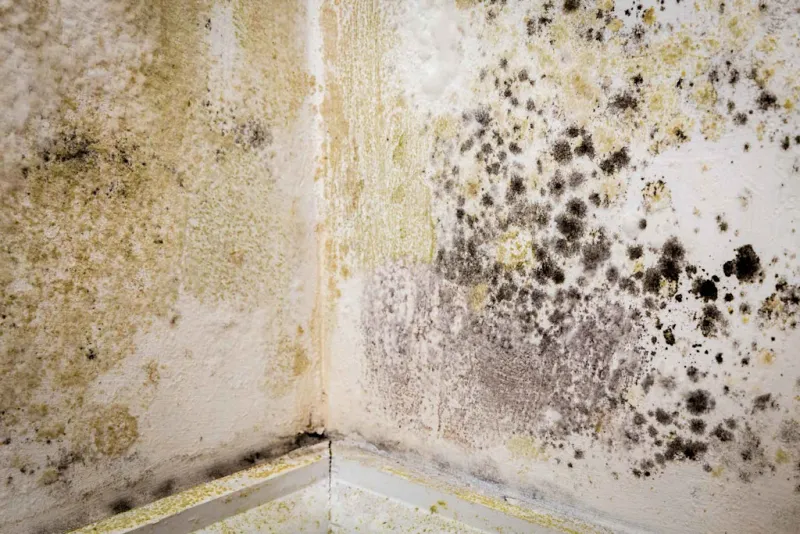
Photo: damp towels hanging in small British bathroom condensation window, via images.ctfassets.net
There's a particular smell that gives the game away. You step out of the shower, reach for the towel you used yesterday, and get a faint hit of something sour and cellar-like. The towel looks clean. It went in the wash. Yet by midweek it's honking again, and you're standing in a cold bathroom wondering whether your washing machine is broken or your bathroom is quietly growing something.
In most UK homes, it's neither. A towel that smells musty after one use is usually holding onto moisture somewhere it shouldn't, or carrying a residue that gives bacteria and mould a free lunch. The trick is working out which — because bleaching a towel that's simply drying too slowly just gives you a bleached towel that still smells.
First, check whether it's the towel or the room
Before you blame the fabric, run a simple test. Wash one towel on its own, dry it fully — really fully — and hang it in the bathroom. Use it once. If it smells fine the next morning but sour by the evening, your bathroom's humidity is the problem. If it smells off almost immediately, the towel is carrying residue or the wash itself isn't rinsing properly.
A second test: give the towel a vigorous sniff straight out of the airing cupboard or off the heated rail, before it goes anywhere near the shower. A clean towel that already smells faintly sour has been stored damp or washed badly. That's a laundry issue, not a bathroom one.
The detergent trap: why 'clean' towels can still pong
Modern washing is gentle by design. Most of us run 30°C eco cycles, use a pod, maybe add a splash of fabric conditioner, and assume that's enough. The trouble is that towels are thick, thirsty and tightly woven. Detergent and softener can sit deep in the pile, especially on a short cycle with a cool rinse.
That residue is mildly sticky. It traps moisture, dulls absorbency and creates a thin film that smells sour once it's been warm and damp for a few hours. Fabric conditioner is the worst offender — it's essentially a waxy coating, and it has no business being on a towel. If you're using it, stop for a month and see what happens.
Practical fixes:
- Ditch the softener. Towels don't need it, and it's a leading cause of both sour smells and poor drying.
- Reduce detergent. Use roughly half what the bottle suggests for a towel load, especially in soft-water areas.
- Skip the pod for towels. Liquid detergent rinses out more predictably in cool washes.
- Add an extra rinse. Most machines have one. Use it.
If your machine has a 'towel' or 'cotton' cycle with a longer rinse, that's a better bet than a quick 30-minute wash.
Overcrowding: the load that never rinses
A family towel wash is tempting to stuff to the gills. Don't. Towels need room to move so water and detergent can circulate, and an overstuffed drum leaves the middle of the load sitting in dirty, soapy water. The result is a towel that looks washed but isn't really rinsed.
Aim for a drum that's about two-thirds full, with towels loosely packed. If you can't push your hand into the load easily, it's too tight. Wash bath towels separately from lighter items, and don't mix them with heavy jeans or bedding — different fabrics need different cycles and different rinse volumes.
The machine itself can be the culprit
It's worth a look at three places: the detergent drawer, the door seal and the filter. In a front-loader, the rubber seal traps a surprising amount of lint, water and gunk — exactly the environment that breeds the smell you're then transferring to your towels. Wipe it down monthly with a damp cloth. Pull out the detergent drawer and rinse it. Check the filter at the bottom, if your machine has one.
And once a month, run a hot maintenance wash with no laundry in the drum. Not because hot washes are a cure for everything — they're not — but because a machine that's always run cool will build up residue of its own.
Slow drying is the quiet offender
A towel that takes eight hours to dry in a cold, steamy bathroom is effectively being incubated. British bathrooms are often small, poorly ventilated and windowless, and a towel rail in a chilly room doesn't dry much — it just keeps things lukewarm and damp.
What actually helps:
- Open a window or run the extractor fan during and after showers, and keep it running for at least 15 minutes afterwards.
- Hang towels spread out, not bunched. A towel folded over a rail dries on the outside and stays damp in the middle.
- Use a heated rail properly. If you have one, drape the towel so air can move around it, and leave space between towels.
- Consider a drying rack outside the bathroom. A towel that dries in a warm, airy room will smell fresher than one that dries slowly in a humid one.
Storage: the airing cupboard myth
An airing cupboard is only useful if the towel is genuinely dry when it goes in. Putting a slightly damp towel into a warm, closed cupboard is the perfect recipe for that sour smell — the warmth encourages bacteria rather than drying the fabric out.
Before storing, check the towel properly. Feel the middle, the edges and the hems. If there's any coolness or dampness, it isn't ready. Store towels loosely folded, not compressed under a stack of bedding, and leave the cupboard door ajar occasionally to let air move through.
Fabric-specific fixes
Not every towel behaves the same way.
Cotton terry: The most common UK towel. Responds well to a cooler wash with a longer rinse, and benefits from being dried fully before storage. If it's already sour, a single 40°C wash with a small amount of detergent and an extra rinse will usually sort it — no bleach needed.
Zero-twist and low-twist cotton: Softer and more absorbent, but slower to dry because the pile is looser. These towels need more air and more space on the rail. Don't stack them wet.
Bamboo and bamboo-cotton blends: Often marketed as naturally antibacterial, but they still hold moisture if rinsed poorly. Use less detergent than you think and avoid softener entirely.
Waffle cotton: Dries quickly because it's thin, but the textured weave traps residue in the grid. A slightly warmer wash occasionally helps.
Microfibre: Doesn't like hot washes or softener, and can develop a sour smell if it's left damp in a gym bag or on a cold rail. Wash cool, rinse well, dry fast.
A simple reset routine
If your towels are already in a bad way, don't reach for bleach. Instead:
- Wash the towels on a 40°C cotton cycle with half the usual detergent and no softener.
- Add an extra rinse.
- Dry them fully — outside on a line if possible, or on a rack in a warm, ventilated room.
- Store only when bone dry.
- From then on, hang towels spread out and run the extractor fan.
Most sour-towel problems in UK homes are solved by that combination: less detergent, more rinsing, better air movement and proper drying. It's rarely about buying a better towel — it's about giving the one you've got a fair chance to dry.
If a towel still smells after all that, it's probably reached the end of its useful life. Some towels develop a permanent smell once the fibres have held onto residue for too long, and no amount of washing will bring them back. At that point, demote it to the cleaning rag pile and start fresh — without the softener this time.