The Lint Ledger: How to Tell Normal Towel Shedding From a Bad Buy

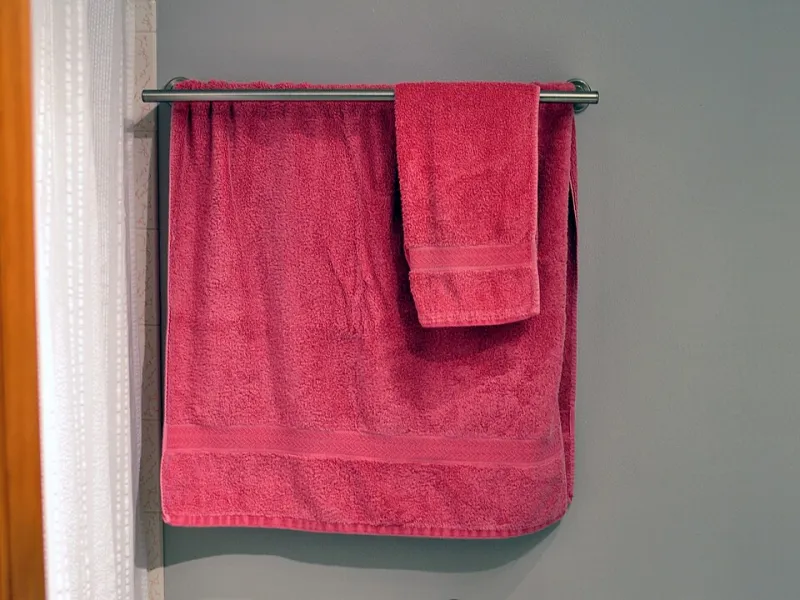
Photo by Photo by seongjin Kim on Unsplash on Unsplash
A new bath towel can make a British bathroom look like a snow globe. You pull it out of the wash, give it a shake, and a cloud of fluff drifts onto the tiles. Then the tumble dryer filter comes out looking like a felt mat. It is tempting to blame the dryer, or the wash cycle, or the fact that the towel was on offer. But lint is not automatically a defect. It is a receipt for how the towel was made, how it is being treated and whether it is still in its settling-in phase.
The dryer is the messenger, not the culprit
Lint is made of short fibres that work loose from the yarn. Every terry towel has some. During the first few washes, the fibres that were not fully bound into the pile start to release. A tumble dryer then catches them in the filter, which makes the problem look dramatic. If you line dry the same towel, those fibres still come off — they just end up on the bathroom floor, the airing cupboard shelf or your skin instead of in a neat grey wad.
That does not mean dryers are innocent. High heat and over-drying can make fibres brittle and increase shedding over time. A towel that is bone dry, hot and static-filled is more likely to shed than one taken out slightly damp. But the dryer is not creating lint out of nowhere. It is collecting what the towel is already releasing.
What a normal shedding window looks like
For a new terry towel, a realistic shedding window is around eight to ten washes. In the first two or three, expect noticeable fluff. The filter may need emptying every load. By wash four to six, most decent towels should be calmer. By wash eight to ten, the filter should be picking up only a modest amount — the sort of lint you would expect from any household laundry.
That is the point to judge a towel by, not the first wash. A towel that is still coating a dark bathroom floor after ten proper washes is not simply shedding surplus fibre. It is telling you something about the yarn. The same goes for a towel that leaves visible fluff on your arms after drying, or one that fills the filter so completely that you have to peel the lint off in a sheet.
Constructions that settle down quickest
Not all terry is equal. Towels made from combed, ring-spun cotton tend to settle faster because the short fibres have been removed and the yarn is smoother and tighter. Long-staple cotton behaves similarly: fewer loose ends means less early lint. A dense, mid-weight towel with a tighter pile often sheds less than a very deep, fluffy pile, because there is less loose surface fibre to begin with.
Zero-twist towels can feel wonderful, but the looser yarn structure may release more fluff in the early washes. A good one will still settle; a cheap one may keep going. Microfibre is a different story — it does not produce the same cotton lint, but it can shed microfibres, so it should be washed in a filter bag if you care about what goes down the drain. Bamboo and bamboo-cotton blends vary widely, so judge them by the same wash-by-wash evidence rather than the label story.
Warning signs that it is the yarn, not surplus fibre
A towel that keeps shedding after ten washes is worth scrutinising. Look for lint that comes off in long, stringy clumps rather than fine dust. Check for bald patches, thin spots or areas where the loops look ragged. Pull gently at a loop; if it comes away easily, the pile may be loosely anchored. A towel that also pills, feels thinner after a few washes or has seams that are already fraying is not just settling in.
There is a difference between a towel that is generous with fluff and one that is falling apart. The first is normal. The second is a quality problem. If the towel was sold as high-quality and fails the ten-wash test, contact the retailer. In the UK, the Consumer Rights Act 2015 gives you rights when goods are not of satisfactory quality, and a towel that sheds heavily after a reasonable number of washes may qualify. Keep your receipt and note the wash dates.
Practical fixes that actually help
Start by shaking new towels outside before washing. That removes loose fibre before it reaches the machine. Wash new towels separately for the first three cycles so the lint does not transfer to other laundry. Empty the tumble dryer filter every single load, and clean the condenser or heat-pump area as your machine instructs. A clogged filter reduces airflow, makes drying slower and leaves more lint clinging to the towel.
Skip fabric softener. It coats fibres, reduces absorbency and can make lint stick to the towel rather than release cleanly. Use a normal amount of detergent — too much leaves residue that traps fluff. Avoid overloading the machine, and take towels out of the dryer while they are still very slightly damp. Line drying or an airer is gentler, but it does not stop lint; it just moves it somewhere else.
For dark bathroom floors, shake the towel over the bath or outside before hanging it up. Keep a lint roller near the airing cupboard, and wipe hard floors with a damp mop rather than a dry brush, which just moves fluff around. If towels are leaving fluff on your skin, rinse quickly and pat dry rather than rubbing hard. If the problem persists after ten washes, stop blaming the dryer and start blaming the towel.
The verdict
Keep a simple lint ledger: note the wash number, how full the filter was and whether the towel left fluff on your skin. Most good towels will show a clear downward trend. A towel that never improves is not normal, no matter how soft it felt on the shelf. The dryer is where the evidence collects — but the towel is where the answer lies.